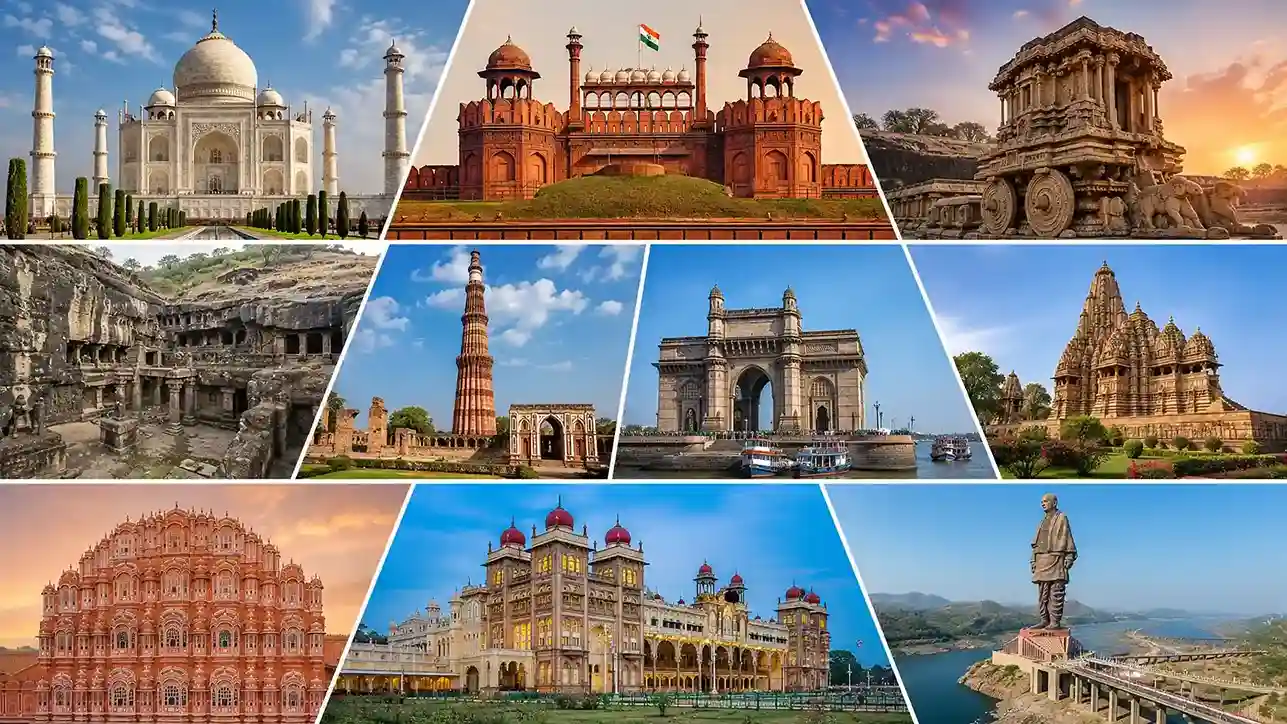
A historical place is much more than an old building or ancient monument. It is a living reminder of civilizations, cultures, traditions, and remarkable events that shaped the world we know today. Every country proudly preserves its heritage through historical landmarks, allowing future generations to understand their past. Whether it is an ancient fort, a royal palace, a temple, or an archaeological site, these places tell fascinating stories that textbooks alone cannot fully capture.
Millions of travelers choose to visit a historical place every year because history offers experiences that modern attractions cannot match. Walking through centuries-old streets, admiring intricate architecture, and learning about legendary rulers create unforgettable memories. Historical destinations also contribute significantly to tourism and local economies while preserving cultural identity. In this comprehensive guide, we will explore the importance, types, benefits, famous examples, travel tips, and conservation efforts related to historical places around the world.
What Is a Historical Place?
A historical place refers to a location that has cultural, architectural, archaeological, political, or religious importance because of events or people connected with it. These places preserve the legacy of ancient civilizations and provide valuable insights into how societies developed over centuries.
Historical sites may include castles, forts, monuments, battlefields, temples, mosques, churches, museums, ruins, royal residences, and heritage towns. Governments and international organizations often protect these locations to ensure they remain intact for future generations. Many famous sites have become popular tourist destinations due to their historical significance and breathtaking beauty.
Visiting a historical place is an educational experience that combines culture, storytelling, architecture, and exploration. Students, historians, photographers, and travelers all benefit from discovering these remarkable destinations. They help people appreciate the achievements, struggles, and traditions of earlier generations while encouraging respect for cultural diversity across the world.
Why Historical Places Are Important
Historical places serve as bridges between the past and the present. They preserve the memories of civilizations and inspire future generations to value their cultural roots. Without these preserved landmarks, much of human history would gradually disappear.
Some major reasons why historical places matter include:
- They preserve cultural heritage.
- They educate future generations.
- They support tourism and local economies.
- They inspire architectural appreciation.
- They strengthen national identity.
- They encourage archaeological research.
- They promote cultural exchange.
Many historical landmarks have survived wars, natural disasters, and centuries of environmental change. Their endurance demonstrates human creativity, resilience, and engineering excellence. Visiting these places allows people to better understand historical events beyond classroom learning.
Types of Historical Places
Historical places come in many different forms, each representing a unique aspect of human civilization.
| Type | Description | Examples |
|---|---|---|
| Forts | Military defense structures | Hill forts, coastal forts |
| Palaces | Royal residences | Ancient kingdoms’ palaces |
| Temples | Religious heritage | Ancient temples |
| Churches | Christian historical sites | Medieval churches |
| Mosques | Islamic architectural heritage | Historic mosques |
| Archaeological Sites | Excavated ancient settlements | Ancient ruins |
| Museums | Historical artifact collections | National museums |
| Monuments | Memorial structures | Victory monuments |
Each category tells a different chapter of history, making them valuable educational resources and popular tourist attractions.
Famous Historical Places Around the World
The world is filled with incredible landmarks that attract millions of visitors annually. These destinations represent remarkable achievements in architecture, engineering, religion, and culture.
Among the most famous examples are the Great Wall of China, the Pyramids of Egypt, Machu Picchu in Peru, the Colosseum in Rome, Petra in Jordan, Angkor Wat in Cambodia, and Stonehenge in England. These iconic sites continue to amaze historians and tourists alike because of their unique stories and impressive construction techniques.
Every historical place reflects the customs, beliefs, technologies, and artistic excellence of its era. Exploring these destinations provides unforgettable experiences while increasing appreciation for global heritage and cultural diversity.
India’s Rich Historical Heritage
India is home to one of the world’s oldest civilizations and possesses thousands of remarkable historical landmarks. From majestic forts to magnificent temples, India’s heritage reflects centuries of cultural diversity and architectural brilliance.
Some of the country’s most celebrated historical destinations include the Taj Mahal, Red Fort, Qutub Minar, Hampi, Konark Sun Temple, Ajanta and Ellora Caves, Fatehpur Sikri, Amer Fort, Sanchi Stupa, and Khajuraho Temples.
Each site showcases distinct architectural styles influenced by various dynasties, religions, and regional traditions. These landmarks not only attract domestic tourists but also millions of international visitors every year. Their preservation highlights India’s commitment to protecting its extraordinary cultural legacy.
Architectural Beauty of Historical Places
One of the greatest attractions of historical places is their remarkable architecture. Ancient builders created magnificent structures without the modern machinery available today. Their engineering skills continue to amaze architects and historians worldwide.
Historical buildings feature intricate carvings, towering domes, elegant arches, detailed sculptures, decorative pillars, massive gateways, and artistic murals. Every design element often carries symbolic meaning reflecting religious beliefs, political power, or cultural traditions.
The architecture of a historical place also reveals technological advancements of its era. Different civilizations developed unique construction techniques using locally available materials such as stone, marble, sandstone, wood, and brick. These masterpieces continue to inspire modern architects around the globe.
Educational Value of Visiting Historical Places
Historical places provide learning opportunities beyond textbooks. Students gain a deeper understanding of history by observing monuments, artifacts, inscriptions, and archaeological remains firsthand.
Educational benefits include:
- Better understanding of historical events.
- Appreciation for different cultures.
- Improved knowledge of architecture.
- Increased interest in archaeology.
- Development of critical thinking.
- Enhanced cultural awareness.
Teachers often organize educational tours because practical experiences help students remember historical facts more effectively than classroom lectures alone. Museums and guided tours further enrich learning through interactive exhibits and expert explanations.
Tips for Visiting a Historical Place
Planning your visit carefully ensures a comfortable and meaningful travel experience.
Before traveling, research the site’s history to understand its significance. Wear comfortable clothing and walking shoes because many heritage sites require extensive exploration. Carry water, sunscreen, and weather-appropriate accessories.
Follow all local regulations and avoid touching fragile artifacts or climbing restricted monuments. Respect religious customs where applicable, maintain cleanliness, and avoid littering. Photography rules may vary, so always check local guidelines before taking pictures.
A guided tour can significantly enhance your understanding by providing interesting historical facts and lesser-known stories behind the monument.
Conservation and Preservation of Historical Places
Preserving historical places is a shared responsibility of governments, organizations, and citizens. Pollution, urbanization, climate change, vandalism, and natural disasters threaten many heritage sites across the world.
Conservation efforts include regular restoration projects, structural maintenance, archaeological research, environmental protection, visitor management, and public awareness campaigns. Advanced technology now helps experts monitor structural stability and preserve delicate artwork.
Responsible tourism also plays an important role in protecting heritage sites. Visitors should respect barriers, avoid damaging walls or carvings, and dispose of waste responsibly. Every individual can contribute to preserving these treasures for future generations.
How Historical Tourism Benefits Local Communities
Historical tourism generates employment and supports local businesses, making it an important economic driver. Hotels, restaurants, transportation services, souvenir shops, local guides, and artisans all benefit from increased visitor numbers.
Tourism also encourages governments to invest in infrastructure, improve public facilities, and preserve cultural heritage. Local festivals and traditional crafts receive greater recognition when visitors show interest in authentic cultural experiences.
Communities surrounding heritage sites often become active participants in preservation efforts because they recognize the long-term economic and cultural value of protecting their historical landmarks.
Challenges Facing Historical Places Today
Despite increasing awareness, many historical places continue to face serious challenges. Environmental pollution accelerates the deterioration of ancient buildings, while overcrowding places immense pressure on fragile structures.
Other significant challenges include illegal excavations, theft of artifacts, inadequate funding, climate-related damage, urban expansion, and poor maintenance. In some regions, armed conflicts have also caused irreversible destruction to priceless cultural treasures.
Addressing these issues requires cooperation between governments, heritage organizations, researchers, and tourists. Sustainable tourism practices and stronger preservation policies are essential to safeguard historical sites for future generations.
Conclusion
A historical place represents humanity’s shared heritage, preserving stories of courage, innovation, culture, and civilization. These remarkable landmarks connect us with our ancestors while inspiring future generations to value history and cultural diversity. Whether exploring ancient temples, magnificent forts, archaeological ruins, or royal palaces, every visit becomes an educational journey through time.
Read more: Where to Travel in Winter: The Ultimate Guide to the Best Seasonal Destinations
Leave a Reply