Iceland is one of the world’s most breathtaking destinations, offering dramatic waterfalls, volcanic landscapes, glaciers, black sand beaches, geothermal lagoons, and charming coastal villages. Whether you’re visiting for a week or planning an extended vacation, creating the perfect iceland travel itinerary helps you experience the country’s natural beauty without feeling rushed.
Known as the “Land of Fire and Ice,” Iceland combines powerful natural forces with peaceful scenery that attracts millions of visitors every year. Every season offers something unique, from the magical Northern Lights during winter to endless daylight in summer. This guide provides a detailed seven-day plan, practical travel tips, estimated costs, and must-visit attractions to help you make the most of your journey. Whether you’re traveling solo, with friends, or as a family, this itinerary offers an ideal balance of adventure, sightseeing, and relaxation.
Why Visit Iceland?
Iceland stands apart from most travel destinations because of its extraordinary landscapes packed into a relatively small island. Within a single day, travelers can witness waterfalls crashing down volcanic cliffs, walk on glaciers, soak in geothermal pools, and explore lava fields created thousands of years ago.
The country is also among the safest destinations in the world, making it ideal for first-time international travelers. English is widely spoken, roads are well maintained, and tourism infrastructure is excellent.
Another reason travelers love following a well-planned iceland travel itinerary is the ease of exploring multiple attractions without long travel times. Most famous destinations are connected by the Ring Road, making self-driving one of the best ways to experience Iceland’s beauty.
Best Time to Follow an Iceland Travel Itinerary
Choosing the right season significantly impacts your travel experience.
Summer (June to August)
Summer offers mild temperatures, green landscapes, and nearly 24 hours of daylight. This is the best season for road trips, hiking, camping, and exploring the Highlands.
Winter (November to March)
Winter transforms Iceland into a snowy wonderland. Visitors can enjoy glacier caves, snow-covered waterfalls, and the spectacular Northern Lights.
Spring and Autumn
These shoulder seasons provide fewer crowds, moderate prices, and beautiful scenery. Travelers can enjoy many attractions without the busy summer rush.
Your ideal iceland travel itinerary depends on whether you prioritize outdoor adventures, photography, or winter experiences.
7-Day Iceland Travel Itinerary
A seven-day road trip offers enough time to experience Iceland’s most iconic attractions while keeping travel comfortable.
| Day | Destination | Main Attractions |
|---|---|---|
| Day 1 | Reykjavik | Hallgrímskirkja, Harpa, Old Harbor |
| Day 2 | Golden Circle | Þingvellir, Geysir, Gullfoss |
| Day 3 | South Coast | Seljalandsfoss, Skógafoss, Black Sand Beach |
| Day 4 | Vatnajökull | Glacier Lagoon, Diamond Beach |
| Day 5 | East Iceland | Fishing villages, scenic fjords |
| Day 6 | North Iceland | Lake Mývatn, geothermal areas |
| Day 7 | Blue Lagoon & Departure | Relaxation and shopping |
Day 1: Explore Reykjavik
Begin your Iceland adventure in the colorful capital city of Reykjavik. Despite being one of Europe’s smallest capitals, it offers a vibrant mix of culture, history, and modern attractions.
Visit Hallgrímskirkja Church for panoramic city views before exploring the waterfront and the iconic Sun Voyager sculpture. Spend time at Harpa Concert Hall, known for its unique glass architecture, then stroll through Laugavegur Street for shopping and local cuisine.
End the evening by sampling traditional Icelandic dishes or relaxing in a local geothermal swimming pool. Starting your iceland travel itinerary in Reykjavik allows you to adjust to the local pace before heading into Iceland’s spectacular countryside.
Day 2: Discover the Golden Circle
The Golden Circle is Iceland’s most famous sightseeing route and includes three world-famous attractions.
First, visit Þingvellir National Park, where the North American and Eurasian tectonic plates meet. The park also holds great historical significance as the birthplace of Iceland’s parliament.
Next, continue to the Geysir geothermal area, where Strokkur erupts every few minutes, sending boiling water high into the air.
Finish the day at Gullfoss, one of Iceland’s most powerful waterfalls. Watching thousands of gallons of glacial water plunge into the canyon is an unforgettable experience.
This section remains one of the highlights of every iceland travel itinerary because it combines history, geology, and breathtaking scenery in a single day.
Day 3: Explore Iceland’s South Coast
The South Coast is packed with some of Iceland’s most photographed landscapes.
Begin with Seljalandsfoss, where visitors can walk behind the waterfall during suitable weather. Continue to Skógafoss, another impressive waterfall known for frequent rainbows.
Later, visit Reynisfjara Black Sand Beach with its dramatic basalt columns and powerful Atlantic waves. Nearby sea stacks create one of Iceland’s most iconic coastal views.
For photography enthusiasts, this area provides endless opportunities to capture Iceland’s unique volcanic landscapes. Every stop adds another unforgettable chapter to your iceland travel itinerary.
Day 4: Glacier Lagoon and Diamond Beach
Today’s journey leads to southeastern Iceland and some of the country’s most extraordinary natural wonders.
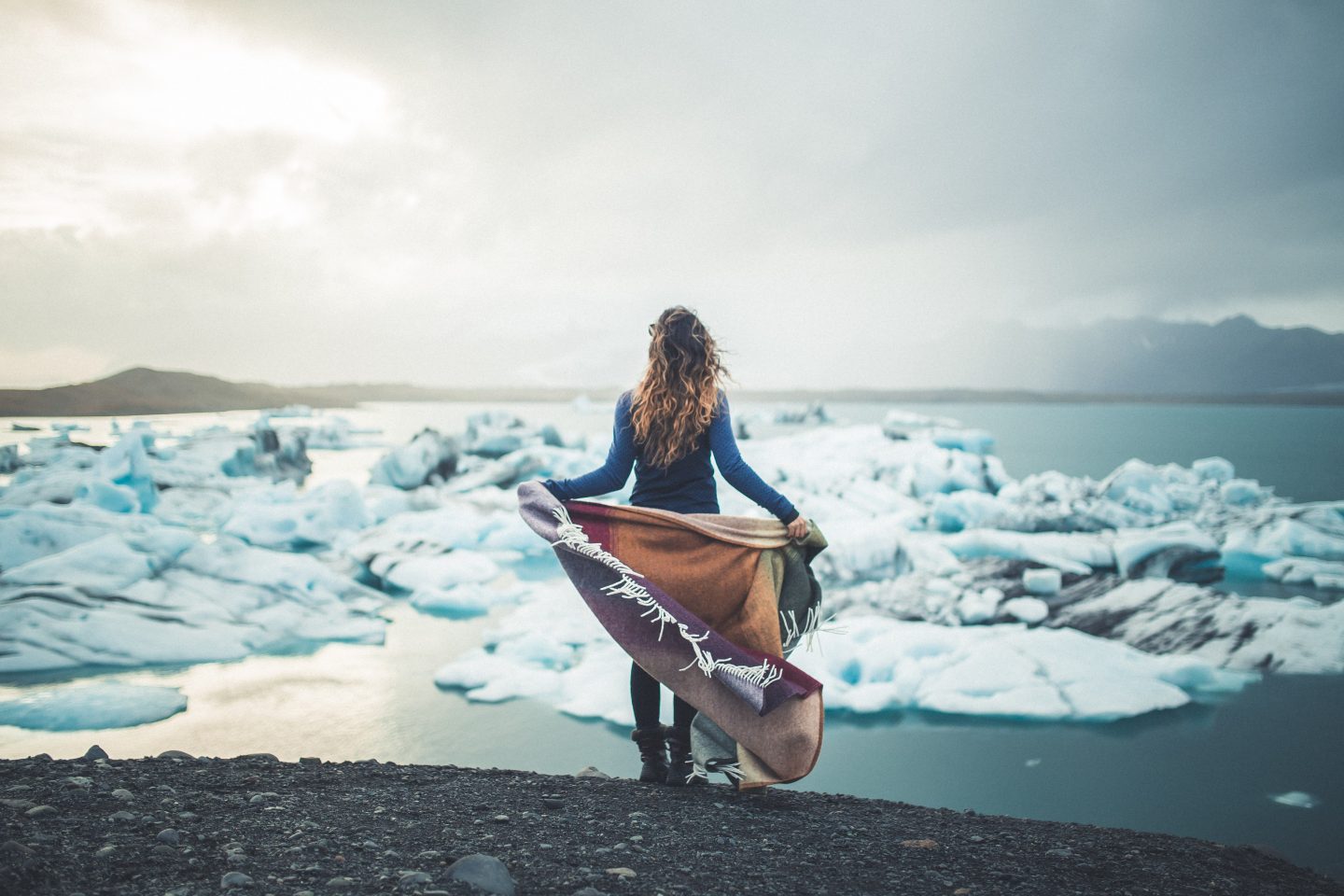
Jökulsárlón Glacier Lagoon features floating icebergs that slowly drift toward the Atlantic Ocean. Many seals can often be spotted swimming among the ice.
Just across the road lies Diamond Beach, where crystal-clear chunks of ice wash ashore against the black volcanic sand, creating one of Iceland’s most beautiful contrasts.
Travelers seeking adventure may also join guided glacier hikes or ice cave tours depending on the season.
Few destinations anywhere in the world compare to these remarkable landscapes, making them an essential part of any iceland travel itinerary.
Day 5: Experience East Iceland
East Iceland receives fewer visitors, making it perfect for travelers seeking peaceful landscapes.
Drive through scenic fjords lined with colorful fishing villages, dramatic mountains, and winding coastal roads. Stop at local cafés, visit charming harbors, and enjoy fresh seafood.
Nature lovers may also spot wild reindeer, which are commonly found only in eastern Iceland.
Unlike the busier southern attractions, East Iceland provides a slower pace and authentic local experiences. It adds variety and relaxation to your overall iceland travel itinerary while showcasing another side of the country’s natural beauty.
Day 6: Discover North Iceland
North Iceland offers geothermal wonders and volcanic landscapes unlike anywhere else.
Visit Lake Mývatn, surrounded by lava formations, pseudocraters, and volcanic fields. Explore bubbling mud pools and steaming vents before relaxing in geothermal baths.
Nearby attractions include impressive waterfalls and unique lava formations created by ancient eruptions.
Wildlife enthusiasts may also enjoy whale watching tours from northern coastal towns during the summer months.
The diverse scenery makes northern Iceland one of the most rewarding regions included in a complete iceland travel itinerary.
Day 7: Blue Lagoon and Departure
Before departing Iceland, spend your final day relaxing at the famous Blue Lagoon.
The geothermal spa’s warm mineral-rich waters provide the perfect way to unwind after a week of exploring waterfalls, glaciers, and volcanoes.
Many travelers also use this opportunity for souvenir shopping or one final walk through Reykjavik before heading to the airport.
Ending your iceland travel itinerary with relaxation creates the perfect conclusion to an unforgettable adventure.
Essential Travel Tips
Planning ahead makes every Iceland trip smoother and more enjoyable.
- Rent a car for maximum flexibility.
- Book accommodations early during summer.
- Pack waterproof clothing and hiking shoes.
- Check weather forecasts daily.
- Carry snacks for long driving days.
- Keep a reusable water bottle.
- Respect marked hiking trails.
- Never underestimate changing weather conditions.
Following these simple tips helps travelers enjoy Iceland safely while making the most of every destination.
Estimated Budget for Iceland
Iceland is known for being one of Europe’s more expensive destinations, but careful planning helps manage costs.
Budget travelers can save money by staying in guesthouses, cooking meals, and traveling during shoulder seasons. Mid-range visitors typically choose hotels and rental cars, while luxury travelers enjoy premium accommodations and guided tours.
Planning your expenses in advance ensures your trip remains enjoyable without unexpected surprises.
What to Pack for Iceland
Packing wisely is essential because Iceland’s weather changes quickly.
Important items include:
- Waterproof jacket
- Waterproof pants
- Warm thermal clothing
- Hiking boots
- Gloves and hat
- Camera
- Portable charger
- Swimsuit
- Sunglasses
- Travel adapter
Layering clothing allows travelers to stay comfortable regardless of sudden weather changes.
Top Foods to Try
Exploring Iceland also means enjoying its local cuisine.
Popular foods include:
- Fresh Arctic char
- Icelandic lamb
- Seafood soup
- Skyr yogurt
- Rye bread
- Fish and chips
- Cinnamon pastries
- Icelandic hot dogs
Many restaurants emphasize locally sourced ingredients, providing authentic dining experiences throughout the country.
Conclusion
An unforgettable Iceland vacation begins with careful planning and a realistic schedule. From Reykjavik’s colorful streets and the legendary Golden Circle to glacier lagoons, volcanic beaches, geothermal spas, and peaceful eastern fjords, every destination reveals another spectacular side of this remarkable island.
Read more: Historical Place: Exploring the Timeless Wonders of Human Civilization
Leave a Reply