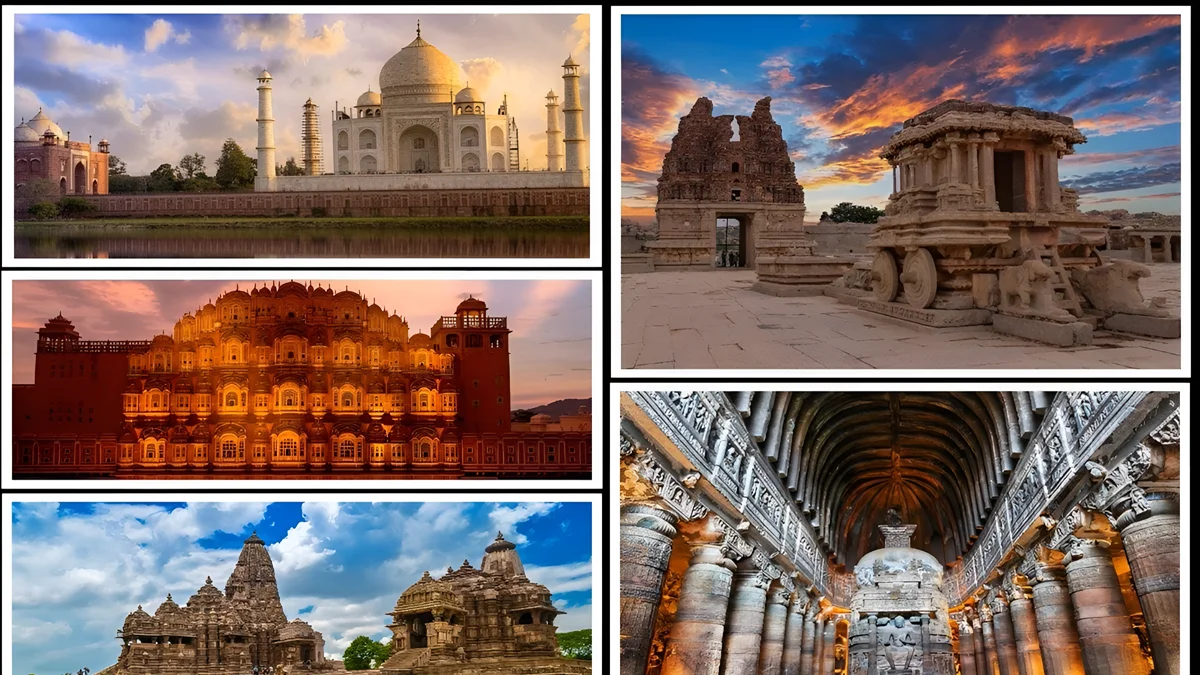
India is a land where history comes alive through magnificent forts, ancient temples, grand palaces, and iconic monuments. Every region tells a unique story of kings, emperors, dynasties, and civilizations that shaped the country’s rich cultural heritage. Exploring a historical place in india is much more than sightseeing; it is an opportunity to understand traditions, architecture, art, and the remarkable achievements of past generations. From the majestic Taj Mahal in Agra to the ancient temples of Tamil Nadu and the mighty forts of Rajasthan, every destination offers unforgettable experiences.
Millions of travelers from around the world visit India’s historical attractions each year to admire their architectural beauty and cultural significance. Whether you are a history enthusiast, photographer, student, or casual traveler, these remarkable landmarks provide endless inspiration. This guide explores some of the country’s most celebrated heritage destinations, their historical importance, travel tips, and why every traveler should include a historical place in india on their travel bucket list.
Why Historical Places Matter in India
India’s history spans thousands of years, making it one of the oldest continuously inhabited civilizations in the world. Throughout different periods, numerous kingdoms and empires contributed to the country’s unique blend of cultures, languages, religions, and architectural styles.
Visiting a historical place in india allows travelers to witness these influences firsthand. Ancient monuments showcase incredible engineering techniques that continue to amaze architects today. Beautiful carvings, intricate sculptures, colorful murals, and grand courtyards demonstrate the artistic excellence of earlier generations.
Historical sites also preserve valuable stories about freedom struggles, royal dynasties, trade routes, religious developments, and cultural evolution. Schools and universities often organize educational tours because these locations provide practical learning experiences beyond textbooks.
Besides preserving history, heritage tourism supports local economies by creating employment opportunities for guides, artisans, hotels, restaurants, and transportation providers. Protecting these landmarks ensures that future generations can continue learning from India’s remarkable past.
Most Famous Historical Places in India
India is home to hundreds of heritage attractions recognized for their cultural and architectural significance. Some have even earned UNESCO World Heritage status due to their global importance.
1. Taj Mahal
The Taj Mahal is one of the world’s most recognized monuments and symbolizes eternal love. Built by Emperor Shah Jahan in memory of Mumtaz Mahal, this white marble masterpiece attracts millions of visitors annually. Its symmetrical gardens, reflective pools, and detailed marble inlay work make it one of India’s greatest architectural achievements.
2. Red Fort
Located in Delhi, the Red Fort served as the primary residence of Mughal emperors for nearly two centuries. Constructed using red sandstone, it features massive walls, royal halls, beautiful gardens, and museums showcasing India’s rich history.
3. Qutub Minar
Standing over 72 meters tall, Qutub Minar is among the tallest brick minarets in the world. Its detailed carvings and inscriptions reflect the architectural brilliance of the Delhi Sultanate.
4. Amer Fort
Situated near Jaipur, Amer Fort combines Rajput and Mughal architecture with stunning courtyards, royal chambers, mirror work, and panoramic hilltop views.
5. Hampi
Hampi preserves the remains of the Vijayanagara Empire through magnificent temples, stone chariots, market streets, and giant boulders that create breathtaking landscapes.
Every historical place in india reflects a different chapter of the nation’s extraordinary history.
Ancient Temples That Reflect India’s Spiritual Heritage
India’s temple architecture represents centuries of artistic excellence and religious devotion. Many temples continue functioning as active places of worship while serving as historical landmarks.
The Khajuraho Temples in Madhya Pradesh are admired for their intricate sculptures depicting mythology, culture, and everyday life. Their detailed craftsmanship remains unmatched.
Konark Sun Temple in Odisha resembles a gigantic stone chariot dedicated to the Sun God. Although partially ruined, its detailed carvings continue attracting architecture enthusiasts worldwide.
The Brihadeeswara Temple in Tamil Nadu showcases the engineering brilliance of the Chola dynasty. Constructed entirely from granite, this temple has stood strong for over a thousand years.
Meenakshi Temple in Madurai impresses visitors with colorful towers, elaborate carvings, and vibrant cultural festivals. Together, these temples highlight India’s spiritual diversity while preserving centuries-old traditions.
Exploring temple architecture offers another fascinating perspective on every historical place in india, blending religion, art, and engineering into unforgettable experiences.
Magnificent Forts and Palaces
India’s forts and palaces reflect the power, luxury, and military strength of ancient kingdoms. These grand structures continue attracting tourists because of their impressive architecture and historical significance.
Some of the most remarkable forts include:
- Mehrangarh Fort, Jodhpur
- Chittorgarh Fort, Rajasthan
- Gwalior Fort, Madhya Pradesh
- Golconda Fort, Hyderabad
- Jaisalmer Fort, Rajasthan
Similarly, palaces like Mysore Palace, City Palace Jaipur, and Udaipur City Palace showcase royal lifestyles through lavish halls, decorative ceilings, grand courtyards, and royal collections.
Many forts now host museums displaying weapons, paintings, costumes, manuscripts, and artifacts that provide deeper insights into India’s royal history. Walking through these magnificent complexes allows visitors to imagine life during ancient and medieval times.
A visit to any historical place in india featuring forts or palaces offers unforgettable memories for travelers interested in architecture and heritage.
UNESCO World Heritage Sites in India
India proudly hosts numerous UNESCO World Heritage Sites recognized for their exceptional cultural and historical value.
| Historical Site | State | Famous For |
|---|---|---|
| Taj Mahal | Uttar Pradesh | White marble monument |
| Qutub Minar | Delhi | Tall brick minaret |
| Hampi | Karnataka | Vijayanagara ruins |
| Ajanta Caves | Maharashtra | Buddhist cave paintings |
| Ellora Caves | Maharashtra | Rock-cut temples |
| Khajuraho Temples | Madhya Pradesh | Intricate sculptures |
| Konark Sun Temple | Odisha | Stone chariot architecture |
| Red Fort | Delhi | Mughal fortress |
These sites attract historians, architects, researchers, photographers, and travelers from across the globe. Their preservation remains essential for maintaining India’s cultural identity.
Best Time to Visit Historical Places
Choosing the right season significantly enhances the travel experience. Most heritage destinations are best visited during cooler months when outdoor exploration becomes more comfortable.
The ideal travel period generally falls between October and March. Pleasant temperatures allow visitors to spend longer hours exploring forts, temples, gardens, museums, and archaeological sites.
Summer months can be extremely hot in northern and central India, making sightseeing challenging during daytime. However, hill stations with historical attractions remain pleasant even during warmer seasons.
The monsoon season transforms many monuments into lush green landscapes while reducing tourist crowds. Travelers should check local weather conditions before planning their trips.
Regardless of the season, wearing comfortable shoes, carrying drinking water, and starting sightseeing early in the morning can make every visit more enjoyable.
Travel Tips for Exploring Historical Places
Planning ahead helps maximize the experience while respecting heritage sites.
Some useful travel tips include:
- Wear comfortable walking shoes.
- Carry water and sun protection.
- Respect monument rules and local customs.
- Avoid touching ancient carvings and sculptures.
- Hire certified guides for deeper historical insights.
- Visit early morning to avoid crowds.
- Keep monuments clean by avoiding littering.
- Carry a camera to capture architectural beauty.
Responsible tourism helps preserve these valuable landmarks for future generations while ensuring enjoyable experiences for everyone.
Importance of Preserving India’s Historical Heritage
Historical monuments face numerous challenges including pollution, urban development, weather damage, and increasing tourist traffic. Conservation efforts by government agencies, archaeologists, historians, and local communities play an essential role in protecting these irreplaceable treasures.
Educational campaigns encourage visitors to avoid damaging walls, carvings, paintings, and sculptures. Restoration projects use advanced technologies while maintaining the authenticity of original structures.
Digital documentation, 3D scanning, and historical research have further improved conservation methods. Local communities also benefit by participating in heritage tourism through handicrafts, cultural performances, hospitality services, and guided tours.
Protecting every historical place in india ensures that future generations can appreciate the country’s extraordinary legacy while promoting sustainable tourism and cultural awareness.
Why Every Traveler Should Visit Historical Places in India
Historical monuments provide experiences that modern attractions simply cannot replicate. They connect travelers with centuries of culture, architecture, religion, and human achievement.
Each destination offers unique stories of courage, innovation, romance, spirituality, and artistic excellence. Whether admiring marble craftsmanship at the Taj Mahal, exploring ancient cave temples, or walking through majestic forts, visitors gain a deeper appreciation of India’s remarkable past.
A historical place in india also offers outstanding opportunities for photography, educational learning, cultural exploration, and family vacations. Students gain practical historical knowledge, photographers capture timeless beauty, and travelers create unforgettable memories surrounded by centuries-old architecture.
With hundreds of heritage destinations spread across every state, India provides endless opportunities for discovering fascinating chapters of world history.
Conclusion
India’s historical monuments represent far more than beautiful architecture—they preserve the nation’s identity, traditions, achievements, and cultural diversity. From magnificent Mughal monuments and ancient temples to royal palaces and mighty forts, every site tells a story that continues to inspire millions of visitors.
Read more: Solo Travel Tips: The Ultimate Guide for Safe, Smart, and Memorable Adventures
Leave a Reply